An AI overwrote what I knew with what the internet already says, and it is one of the AI limitations nobody warns you about. I asked it to research a question for a post, and the answer came back clean, sourced, and confident, with my experience flattened into the standard case. If you have ever watched a chatbot calmly correct something you know from doing it, you already know how this feels.
The Question I Asked
The topic was the phrase going commando. Among the people I know in the Philippines, it means no briefs, which can be nothing at all or just boxers. Boxers are house clothes here, what we call pambahay, the same category as pajamas, and not something you wear out of the house. Briefs are what you wear out, because they keep everything steady and supported when you move, and boxers run hotter under pants.
That is how I grew up with it, and it is the version I carry. It is my own understanding, and it may not match what other people hold, but it is still a real input. The AI went to the sources and came back with the written definition, which is no underwear at all, and it told me boxers do not count.
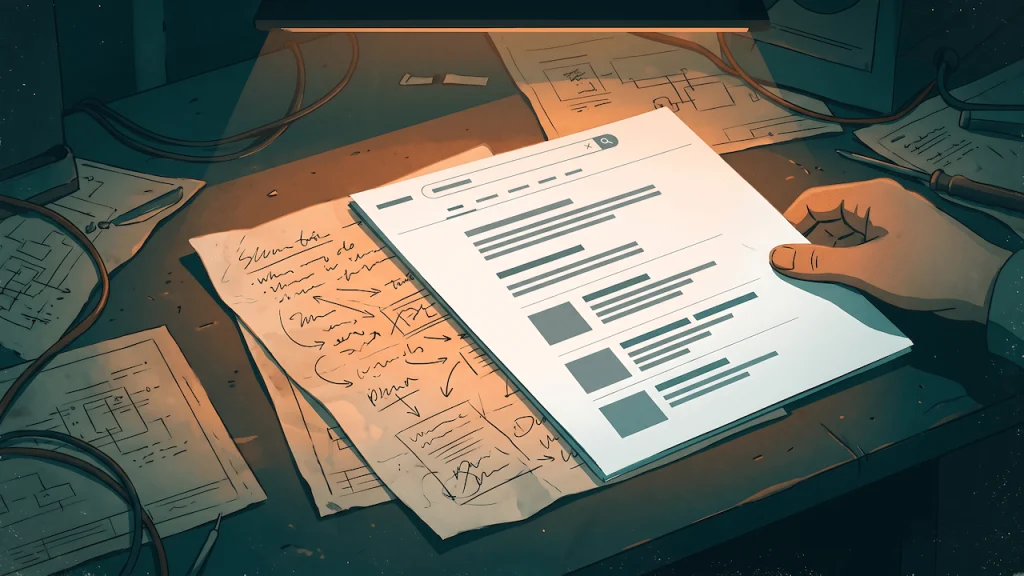
It treated my version as the thing that needed correcting. It took several messages of pushing back before the real problem surfaced, which was that nothing it had searched contained my usage. I wrote the full question out on MomentumPath in the going commando post, where it belongs.
The AI Limitations Behind That Answer
An AI built on written material can only be as good as what got written down. A meaning that lives in how people talk, and not in text, is invisible to it. So when your experience disagrees with the written answer, the written answer wins by default, and it wins sounding sure of itself.
I covered how this works in context engineering for LLMs, where the argument is that a model fills the gaps in its context with averages from its LLM training data. This was that argument happening live, on a question where I happened to know more than the sources did. That is the only reason I caught it. If the topic had been one I did not already know, I would have accepted the clean answer and moved on.
My Part in It
I was not careful with my prompt, and that part is mine. I handed the AI the topic and let it run the research without telling it that my understanding was the starting point and that the sources were only a map of what already existed. A loose prompt gives the default answer room to move, and the default answer is always the most written one.
I have argued before that AI is a power drill, not a foreman, and I still believe it. What I did here was hand over the topic and then let the tool decide what counted as true. That is the foreman problem, and I made it myself, in the middle of ordinary AI research.
Context Did Not Fully Fix It
The obvious fix is to give the AI more context, and I did. Even with that context in place, the answers kept sliding back toward its training data and what the internet already says. Context narrows the gaps, but it does not guarantee the model stays inside them, and nobody tells you that when they sell you on better prompts.
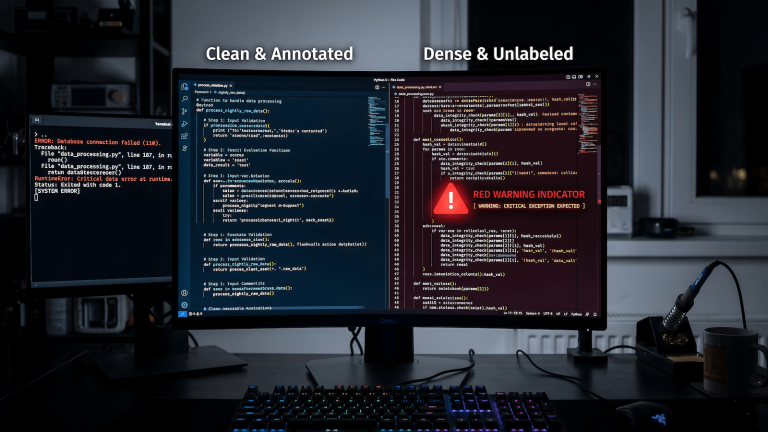
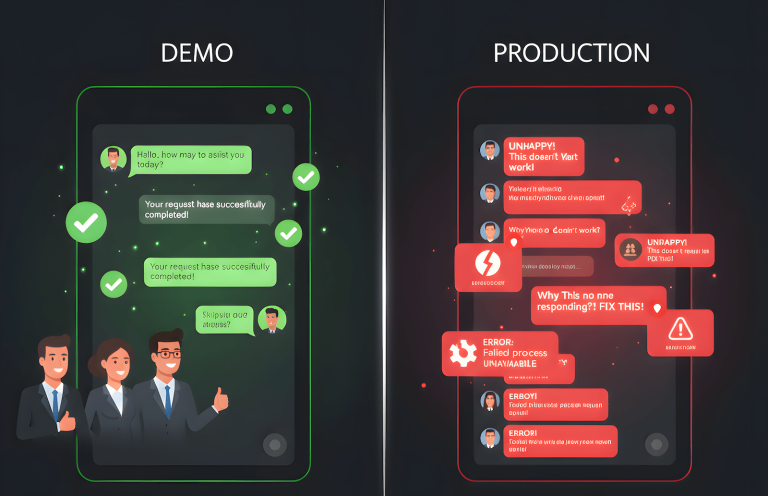
This is the part that bothers me most. The output after I added context still looked reasonable, still had sources, and still read like a finished answer. Catching the drift meant knowing the answer was wrong for my case before I read the sources, and that is not a skill you can hand to a checklist. I wrote about the wider version of this in what happens when you let AI think for you, and this is a narrow, concrete case of it.
What Gets Lost When AI Recycles the Written Answer
The internet is storage for information, not a judge of what is true. When an AI draws only from that storage, it gives back whatever was stored most often, and that is not the same thing as whatever is correct. My version of the phrase could be right or wrong depending on who you ask, and that is exactly why it should have been treated as a claim to weigh and not a mistake to fix.
Sites like Stack Overflow and Quora exist because people bring questions that have no clean written answer yet. Those unanswered questions are where new information comes from, because someone with real experience steps in and writes down what nobody had. An AI that only retrieves what is already written cannot do that, and a writer who only restates what an AI retrieves does not do it either.
This is how AI slop gets recycled, and how AI generated content ends up saying the same thing in a thousand places. Each pass takes what is already out there, rephrases it, and publishes it, and nothing new ever enters the loop. The posts that survive are the ones where someone put their own experience into the prompt on purpose, and then checked that it stayed there.
What I Do Now
State your claim in the prompt, before the research starts, in your own words and with where it comes from. That is prompt engineering reduced to the part that matters. Tell the AI the sources are there to show what already exists, not to rule on you, and then read the output looking for one specific failure, which is a confident answer that quietly went back to the generic version.
When the AI and your experience disagree, treat the disagreement as the finding, not as an error to fix. That gap is exactly the information nobody has written down yet. This is a form of AI critical thinking that has to come from you, because the tool will not supply it. I laid out the testing version of this, where a spec overrules what a tester knows, in AI testing passes the spec and still misses what you know is real.
The same thing happens at a desk. If AI sits in your daily job and you have started to notice it swapping what you know from doing the work for the generic answer, the remote work side of this is in AI at work and the knowledge it quietly replaces. Read it before the habit sets in, because the generic answer gets harder to argue with each time you accept it.